

Danfoss lists refuse trucks among VQ vane-pump applications, and Parker documents truck-body use of vane pumps. These are examples of the pump technology in this sector, not confirmation that a Renowell model fits a particular vehicle. Gear and piston pumps are also used in refuse systems.
Typical equipment
Identify the circuit served by the pump: the machine may have separate drives for its main and auxiliary functions.
What the hydraulic system does
Depending on the body design, hydraulic cylinders and motors operate the collection arms, packing mechanism and unloading functions. Identify the truck body as well as the chassis: their hydraulic requirements are not defined by the truck brand alone.
Illustrative sequence only; the actual machine cycle and control system may differ.
Pump selection checks
Container lifting, waste compaction and unloading · Frequent starts and repeated loaded cycles
Which body and collection system?
Identify front, rear or side loading and the body model. Specify whether the pump serves collection, packing, unloading or several functions.
PTO or electric drive?
Include the PTO ratio or motor speed range, available torque, shaft connection and rotation. Engine speed is not always pump speed.
What happens between collection stops?
Describe idling, unloading and cooling. Include cold-start conditions, oil temperature and any changes to the original circuit.
- List the flow and pressure for collection, packing and unloading, including functions that overlap.
- Record PTO ratio or electric-drive speed range, rotation, shaft and mounting details.
- Describe cold starts, repeated cycles, oil temperature, filtration and available cooling.
Check the required operating points against the pump document, then compare the shaft, mounting, rotation and ports.
Compare the product details
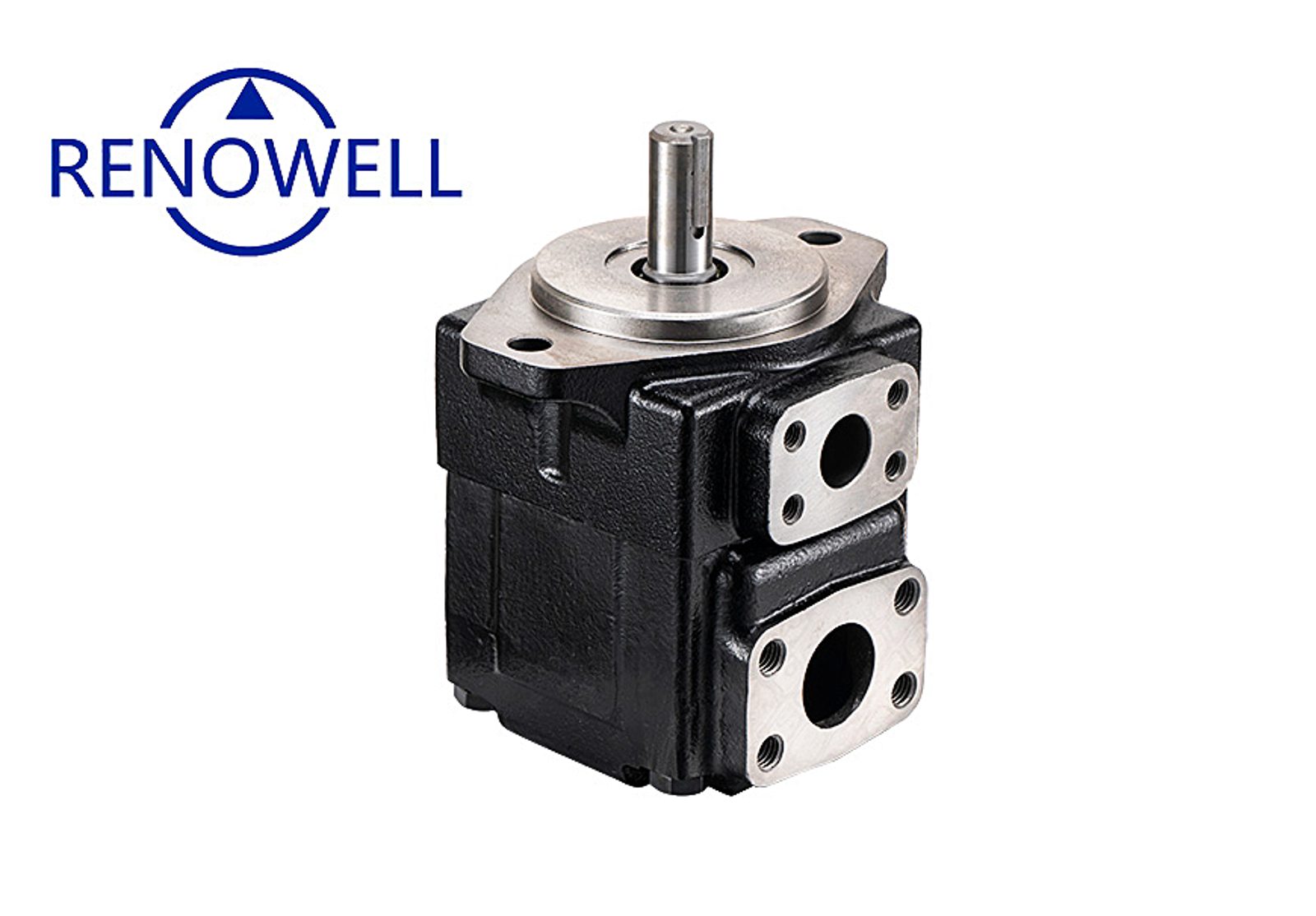
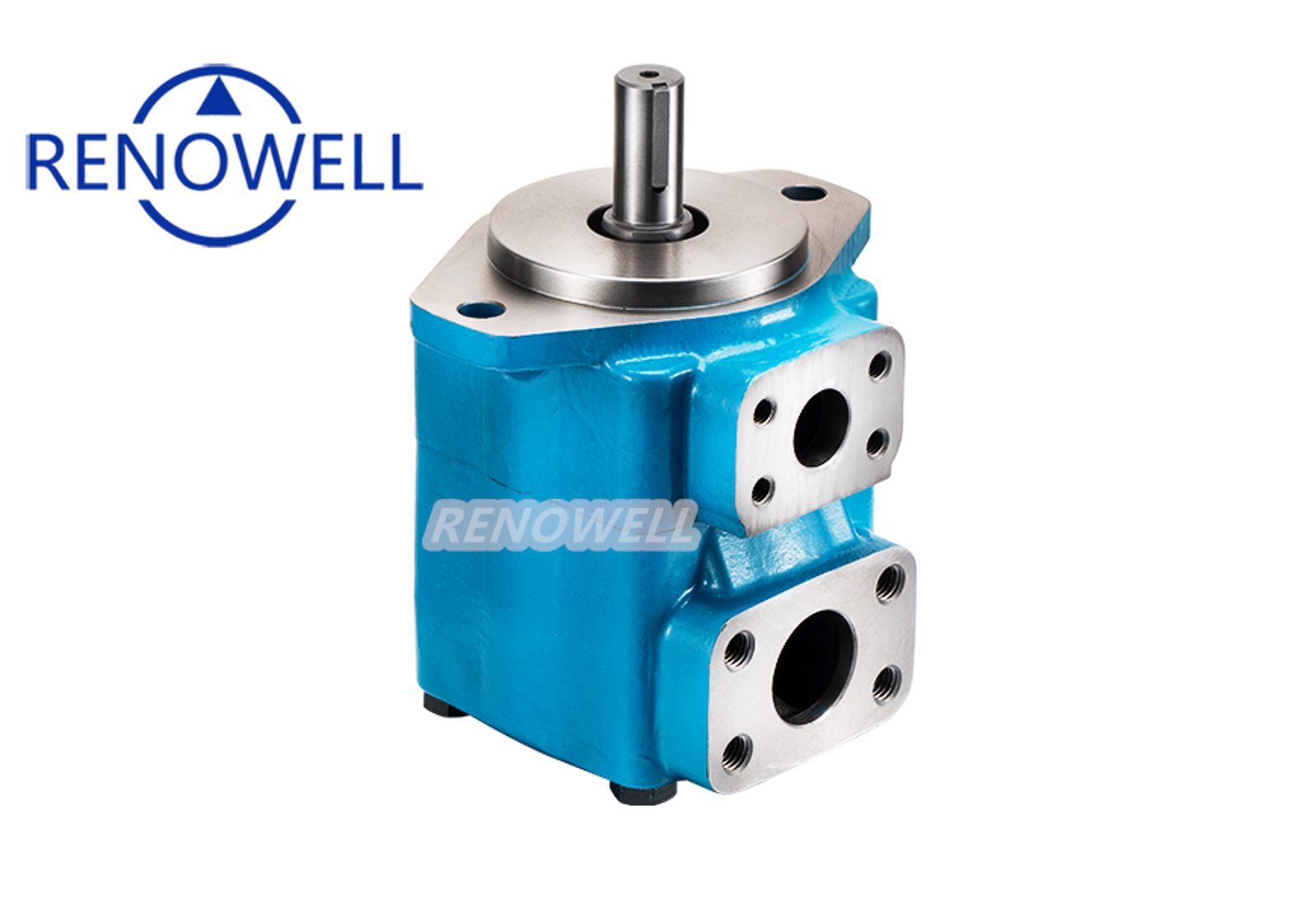
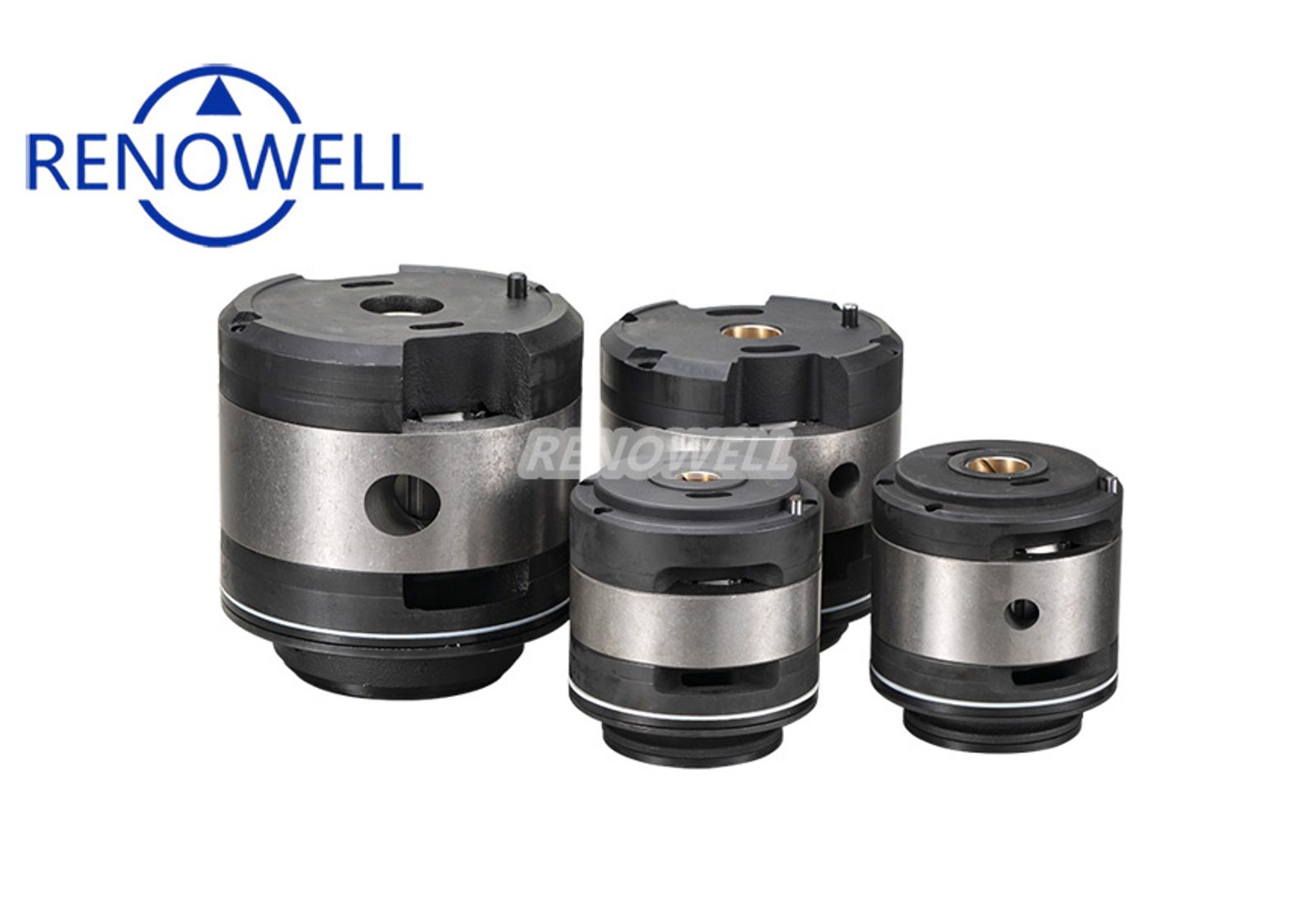
Use the catalog photos to identify the series, then open its drawings and technical data. Final selection depends on the machine specification.
Send your machine requirements
Send the body manufacturer, body model, year and complete pump code. Include the drive arrangement and hydraulic schematic where available. Check the exact configuration before proposing a replacement.
Include the required quantity, destination and delivery expectations. For a replacement, add the old pump’s nameplate and photographs of the installation.
Discuss your application ›These guides describe typical circuits. They are not customer case studies or equipment approvals.